Why Pipe Fabrication is Crucial for Industrial Projects
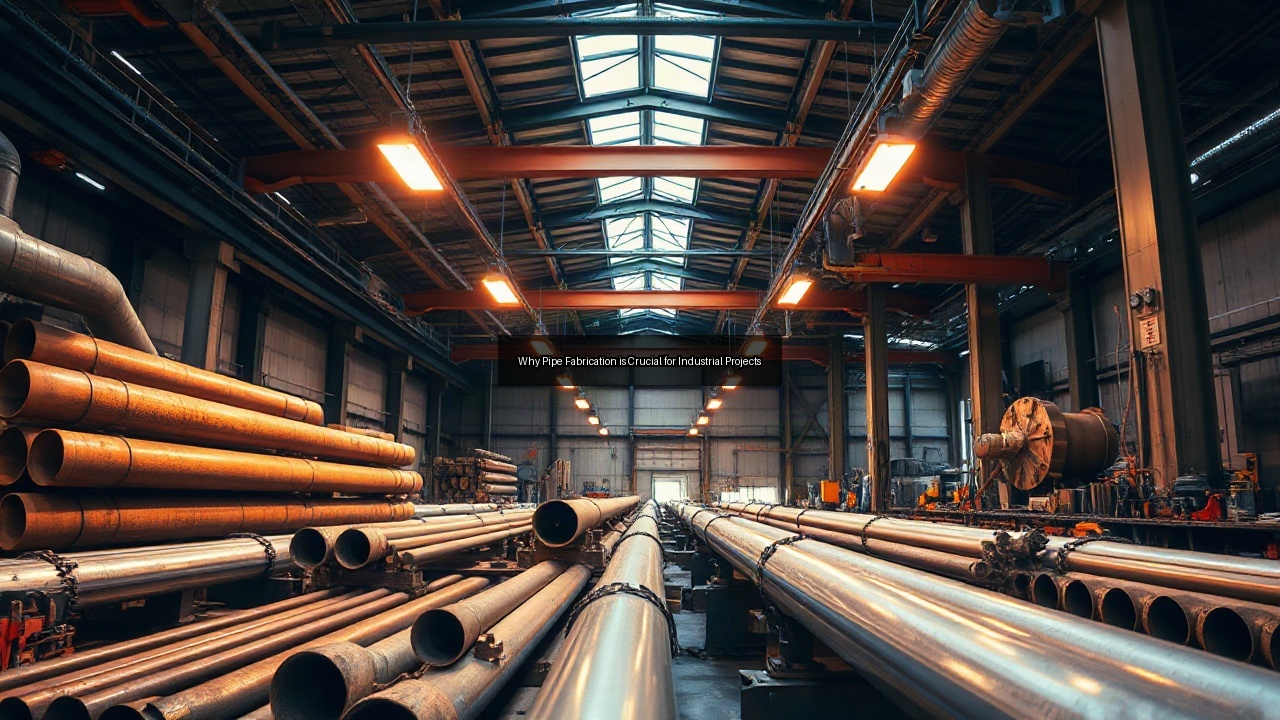
The Importance of Pipe Fabrication in Industrial Projects
Understanding Pipe Fabrication
Pipe fabrication involves the process of cutting, bending, and assembling pipes to create a piping system tailored for various industrial applications. This critical step ensures that pipes meet specific project requirements, whether for oil and gas, chemical manufacturing, or water treatment facilities. Pipe fabrication is not merely about creating hollow tubes; it encompasses a range of activities that guarantee the functionality and durability of the piping system. Skilled technicians and engineers use advanced techniques and tools to fabricate pipes with precision, ensuring that each piece fits seamlessly into the overall infrastructure. This specialized process plays a vital role in enhancing safety, efficiency, and reliability in industrial operations.
Key Benefits of Pipe Fabrication
Investing in pipe fabrication offers numerous advantages that significantly impact industrial projects. First, customized solutions emerge as a key benefit. Fabrication allows for tailored pipe designs that meet the unique specifications of any project, reducing the risk of errors and ensuring compatibility with existing systems. Second, pipe fabrication enhances efficiency. Fabricated pipes can be pre-assembled and tested before installation, minimizing on-site work and expediting project timelines. This reduction in labor not only lowers costs but also diminishes the likelihood of delays. Additionally, utilizing high-quality steel pipes in fabrication ensures durability and resistance to corrosion, critical for long-term performance. Overall, the strategic application of pipe fabrication leads to improved project outcomes, increased safety, and enhanced operational efficiency.
Role of Steel Pipes in Fabrication
Steel pipes serve as the backbone of pipe fabrication due to their strength, versatility, and durability. These pipes come in various grades and diameters, allowing for extensive applications across multiple industries. The use of steel pipes in fabrication processes ensures that the final product can withstand high pressures and harsh environmental conditions. Additionally, steel’s resistance to corrosion when treated properly extends the lifespan of piping systems. The ability to weld steel pipes also enhances the integrity of connections, ensuring leak-proof joints that contribute to overall system reliability. As industrial demands evolve, the adaptability of steel pipes continues to position them as a preferred choice in pipe fabrication, making them essential in constructing robust piping networks.
Types of Pipe Fabrication Services
Overview of Metal Pipe Fabrication
Metal pipe fabrication encompasses various processes, focusing primarily on transforming raw metal materials into functional piping systems. This fabrication technique commonly involves metals like steel, aluminum, and titanium, each chosen for their specific properties and suitability for different industrial applications. The process begins with cutting metal sheets into required lengths and shapes and continues with bending and assembling them into pipes. Metal pipe fabrication services can include machining, which enhances precision and ensures that each piece meets stringent specifications. Additionally, metal fabrication shops often provide finishing services, such as coating or galvanizing, to protect the pipes from corrosion and wear. By employing advanced technologies like CNC machining and laser cutting, these shops can deliver high-quality metal pipes that meet the rigorous demands of industrial projects.
Welding Pipe Fabrication Techniques
Welding plays a vital role in pipe fabrication, providing strong and durable joints essential for maintaining the integrity of piping systems. Various welding techniques, including MIG, TIG, and stick welding, are employed depending on the material and application requirements. MIG welding, known for its speed and efficiency, suits thicker steel pipes, while TIG welding offers precise control for thinner materials. Each technique has its advantages and potential applications, making it crucial to select the right method for the project at hand. Moreover, skilled welders ensure that welds meet stringent quality standards, crucial for preventing leaks and ensuring safety in high-pressure environments. The integration of welding into pipe fabrication processes not only enhances structural integrity but also contributes to the overall efficiency and longevity of the piping systems.
Custom Pipe Fabrication Solutions
Custom pipe fabrication solutions cater to the specific needs of a project, offering tailored designs that standard products cannot fulfill. These solutions allow for the creation of unique piping systems that fit complex layouts and challenging environments. Custom fabrication often involves close collaboration between engineers and fabricators to ensure that all specifications are met accurately. This collaboration facilitates adjustments and modifications throughout the fabrication process, leading to optimal results. Additionally, custom solutions can incorporate various materials, dimensions, and finishes, providing flexibility in design and functionality. Companies that provide custom pipe fabrication services often use cutting-edge technology to streamline production and maintain high quality. This approach not only enhances the efficiency of the project but also ensures that the final product meets the specific challenges posed by the industrial environment.
Choosing the Right Pipe Fabrication Company
Criteria for Selecting Pipe Fabrication Shops
Selecting the right pipe fabrication company requires careful consideration of several key criteria. First, assess the company’s experience within the industry. A well-established fabrication shop with a proven track record demonstrates reliability and expertise. Look for companies that have successfully completed projects similar in scope and complexity to your own. Second, evaluate the range of services offered. A versatile fabrication shop should provide various services, including welding, machining, and custom solutions, ensuring they can meet all project needs. Additionally, consider the quality of materials used in the fabrication process. Companies that prioritize high-grade steel pipes and adhere to industry standards guarantee the durability and safety of their products. Finally, examine customer references and reviews to gauge satisfaction levels and reliability, ensuring you choose a company that aligns with your project’s requirements.
Evaluating Pipe Fabrication Companies
Evaluating potential pipe fabrication companies involves a thorough assessment of their capabilities and reputation. Start by reviewing their portfolio, which should showcase past projects and highlight their expertise in various industries. Pay attention to the complexity and scale of the projects they have handled, as this can indicate their ability to manage your specific needs. Next, check for certifications and accreditations that demonstrate compliance with industry standards and safety regulations. These credentials provide assurance of the company’s commitment to quality and best practices. Furthermore, consider their communication and customer service approach. A responsive and professional team can significantly enhance your collaboration throughout the project, ensuring that any issues are addressed promptly. Collecting this information allows for a comprehensive evaluation, leading to a well-informed decision regarding your pipe fabrication partner.
Cost Considerations in Pipe Fabrication
Cost considerations play a crucial role in selecting a pipe fabrication company. Understanding the factors that influence pricing helps in making informed decisions. Material selection significantly impacts costs, as high-quality steel pipes may incur higher upfront expenses but offer better durability and longevity. Labor costs also contribute to the overall price, with skilled technicians commanding higher wages. Additionally, the complexity of the fabrication process affects pricing; custom solutions typically involve more labor and resources than standard fabrications. It’s essential to obtain detailed quotes from multiple companies, ensuring a clear understanding of what is included in the price. While cost is vital, focusing solely on the lowest price can result in compromised quality. Balancing cost with the quality of materials and expertise available ensures that the final investment delivers value over the long term.