How Outdoor Dehumidifiers Can Reduce Electricity Costs
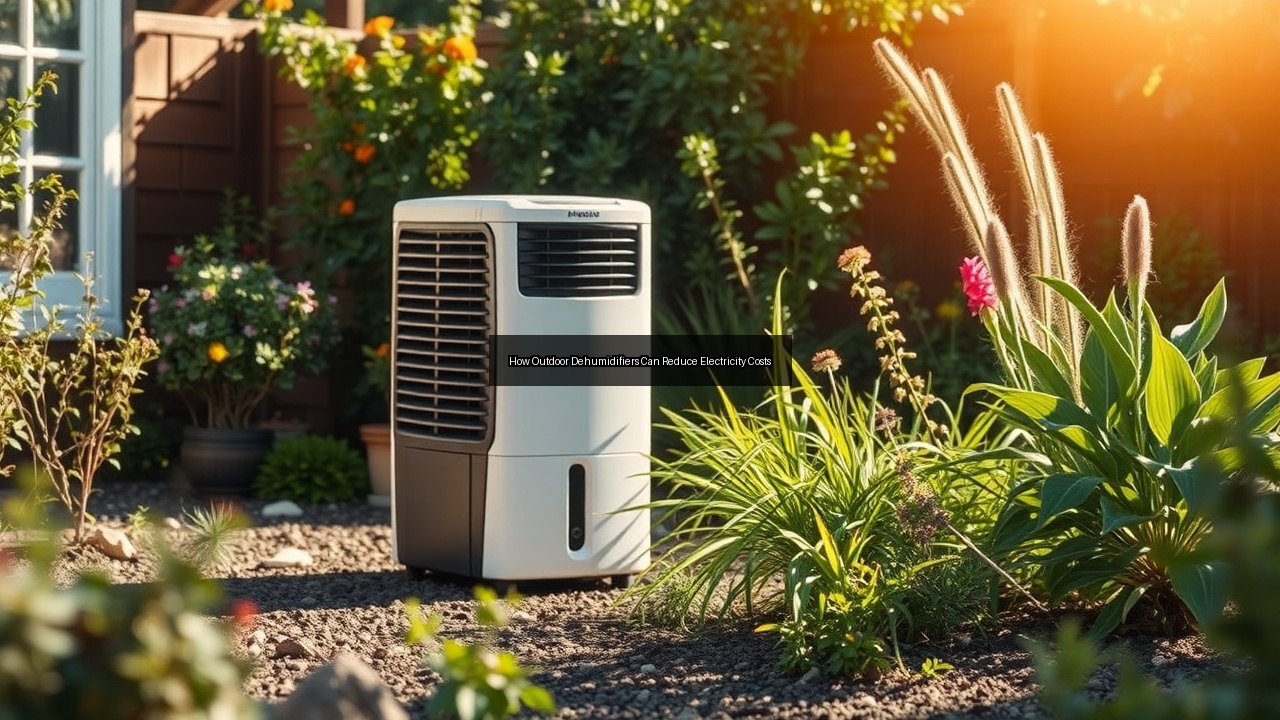
Understanding Outdoor Dehumidifiers and Their Impact on Electricity Costs
What is an Outdoor Dehumidifier?
An outdoor dehumidifier serves a specific purpose: to reduce humidity levels in outdoor spaces, which can significantly influence the indoor environment. This device operates by drawing in moist air, cooling it to condense the water vapor, and then expelling the drier air back. Outdoor dehumidifiers are particularly beneficial for areas with high humidity, such as basements, garages, or even outdoor sheds. They help prevent mold growth, protect stored items, and create a more comfortable atmosphere. Unlike traditional indoor models, outdoor units are designed to withstand the elements, offering both durability and efficiency in moisture removal.
How Humidity Affects Indoor Spaces
Humidity levels directly impact indoor air quality and comfort. Excess moisture can lead to a host of problems, including mold growth, musty odors, and damage to furniture and structures. High humidity levels force HVAC systems to work harder, leading to increased electricity costs. In rooms with inadequate ventilation, the air can become stagnant, exacerbating discomfort. Maintaining optimal humidity levels—typically between 30% and 50%—enhances indoor air quality, reduces allergens, and creates a pleasant living environment. By addressing humidity with an outdoor dehumidifier, homeowners can significantly improve the overall atmosphere within their homes while simultaneously reducing the strain on their energy systems.
The Role of Dehumidification in Energy Efficiency
Dehumidification plays a crucial role in energy efficiency. When humidity levels are high, the HVAC system must exert additional effort to cool the air, which results in increased electricity consumption. Outdoor dehumidifiers alleviate this burden by lowering indoor moisture levels before the air enters the HVAC system. This preconditioning process means that the air the HVAC system processes is already drier, reducing the need for excessive cooling. Consequently, energy savings become evident, leading to lower electricity bills. By integrating an outdoor dehumidifier into the overall home climate control strategy, homeowners can maximize energy efficiency and create a comfortable living space.
The Energy Savings of Using Outdoor Dehumidifiers
Comparing Energy Consumption: Outdoor vs. Indoor Dehumidifiers
When assessing energy consumption, outdoor dehumidifiers often outperform their indoor counterparts. Indoor models typically operate in a confined space, causing them to cycle on and off frequently, which can lead to higher electricity use. Outdoor dehumidifiers, designed for larger spaces, can continuously manage humidity levels without facing the same constraints. This efficiency translates into a lower overall energy footprint. Additionally, many outdoor units utilize advanced technologies, such as variable speed compressors, which adjust their operation based on humidity levels. This adaptability ensures that energy usage stays optimized, leading to significant savings over time. Homeowners will notice the difference not only in comfort but also in their monthly electricity bills.
The Energy Star Certification: Why It Matters
Energy Star certification indicates that a product meets stringent energy efficiency standards set by the Environmental Protection Agency (EPA). When selecting an outdoor dehumidifier, look for this certification as a reliable indicator of efficiency. Energy Star-certified models have been proven to use less energy while providing the same or better performance than standard models. Such units air dehumidifier offer significant savings on electricity costs, making them a wise investment for homeowners. The long-term benefits of using an Energy Star outdoor dehumidifier extend beyond mere savings; these units contribute to a reduced environmental impact by lowering overall energy consumption. Choosing a certified model can lead to a more sustainable home while keeping humidity in check.
How Moisture Reduction Lowers HVAC Load
Reducing moisture levels in dehumidified the home directly impacts the workload of the HVAC system. High humidity forces HVAC units to operate beyond their intended capacity, leading to increased wear and tear, potential malfunctions, and higher energy bills. By deploying an outdoor dehumidifier to manage moisture, homeowners can lighten the load on their HVAC systems. This reduction not only extends the lifespan of HVAC equipment but also enhances its efficiency. When the air is less humid, it requires less energy to cool, allowing the system to maintain comfortable temperatures without excessive energy expenditure. This synergy between dehumidification and HVAC efficiency underscores the importance of integrating outdoor dehumidifiers into home climate control strategies.
Choosing the Right Outdoor Dehumidifier for Your Needs
Factors to Consider: Room Size and Capacity
When selecting an outdoor dehumidifier, consider the size of the area you wish to dehumidify. Dehumidifiers come in various capacities, typically measured in gallons of water removed per day. For larger spaces, such as garages or basements, a unit with a higher capacity will be necessary to effectively manage moisture levels. Conversely, smaller outdoor areas may only require units with lower capacities. Understanding the specific needs of your environment is crucial in ensuring optimal performance. Additionally, assess the humidity levels in your region. Areas with high humidity may require more potent dehumidification solutions. Always refer to the manufacturer's specifications to find the right match for your space.
Understanding Compressor vs. Non-Compressor Units
Outdoor dehumidifiers typically use either compressor or non-compressor technology. Compressor units function by cooling the air and condensing moisture, making them effective in high-humidity environments. They excel in situations where humidity levels exceed 60%. Non-compressor units, on the other hand, often utilize desiccant materials to absorb moisture, making them ideal for lower humidity conditions. Each type has its advantages, so consider the humidity levels in your area when making a choice. For instance, if you live in a consistently humid climate, a compressor unit might offer better performance. Understanding these differences helps homeowners select the most efficient outdoor dehumidifier for their specific needs, maximizing moisture control and energy savings.
Evaluating Warranty and Maintenance Options
Warranty and maintenance options play a vital role when purchasing an outdoor dehumidifier. A solid warranty can provide peace of mind, especially for an investment that impacts energy use and comfort. Look for units that offer comprehensive coverage, including parts and labor. Additionally, consider the maintenance requirements. Some units may require more frequent cleaning or filter changes, which can affect overall performance. Understanding the maintenance needs of your dehumidifier ensures longevity and efficiency. Choose a model that aligns with your lifestyle and willingness to perform regular upkeep. Evaluating these aspects will lead to a more satisfying and efficient dehumidification experience.
Best Practices for Maximizing Efficiency and Cost Savings
Optimal Placement of Your Dehumidifier
Placement significantly influences the performance of your outdoor dehumidifier. Position the unit in an area where it can effectively draw in moist air, ideally away from walls and obstructions. Open spaces allow for better airflow, enhancing the dehumidifier’s efficiency. Avoid placing it near heat sources or ducts that may introduce additional moisture. Additionally, consider the proximity to areas that require moisture control, such as basements or garages. Proper placement not only maximizes the effectiveness of the dehumidifier but also contributes to lower electricity costs by ensuring that the unit operates efficiently. Homeowners can reap the benefits of reduced humidity and energy savings with strategic placement.
Regular Maintenance Tips for Longevity
Regular maintenance is essential for ensuring the longevity and efficiency of outdoor dehumidifiers. Clean the air filter regularly to prevent blockages that can hinder airflow and reduce efficiency. Empty the water tank frequently, or consider a unit with a continuous drainage option to minimize hassle. Inspect the unit for any signs of wear or damage, and address issues promptly. Keeping the dehumidifier clean ensures optimal performance and extends its lifespan. Many manufacturers provide specific maintenance guidelines, so refer to the manual for tailored recommendations. By committing to regular maintenance, homeowners can enjoy consistent performance and cost savings over time.
When to Consider an Industrial Outdoor Dehumidifier
Homeowners may need to consider an industrial outdoor dehumidifier in situations involving significant moisture challenges. These units are designed for larger spaces or environments with extreme humidity levels. Industrial outdoor dehumidifiers handle higher capacities, making them suitable for commercial applications or larger residential areas where standard units may falter. If your environment experiences chronic humidity issues, such as in agricultural settings or large warehouses, an industrial model can provide the necessary power to maintain optimal moisture levels. Investing in such a unit may involve higher upfront costs, but the long-term benefits in energy savings and moisture control can outweigh the initial investment.